Category: Uncategorized
-
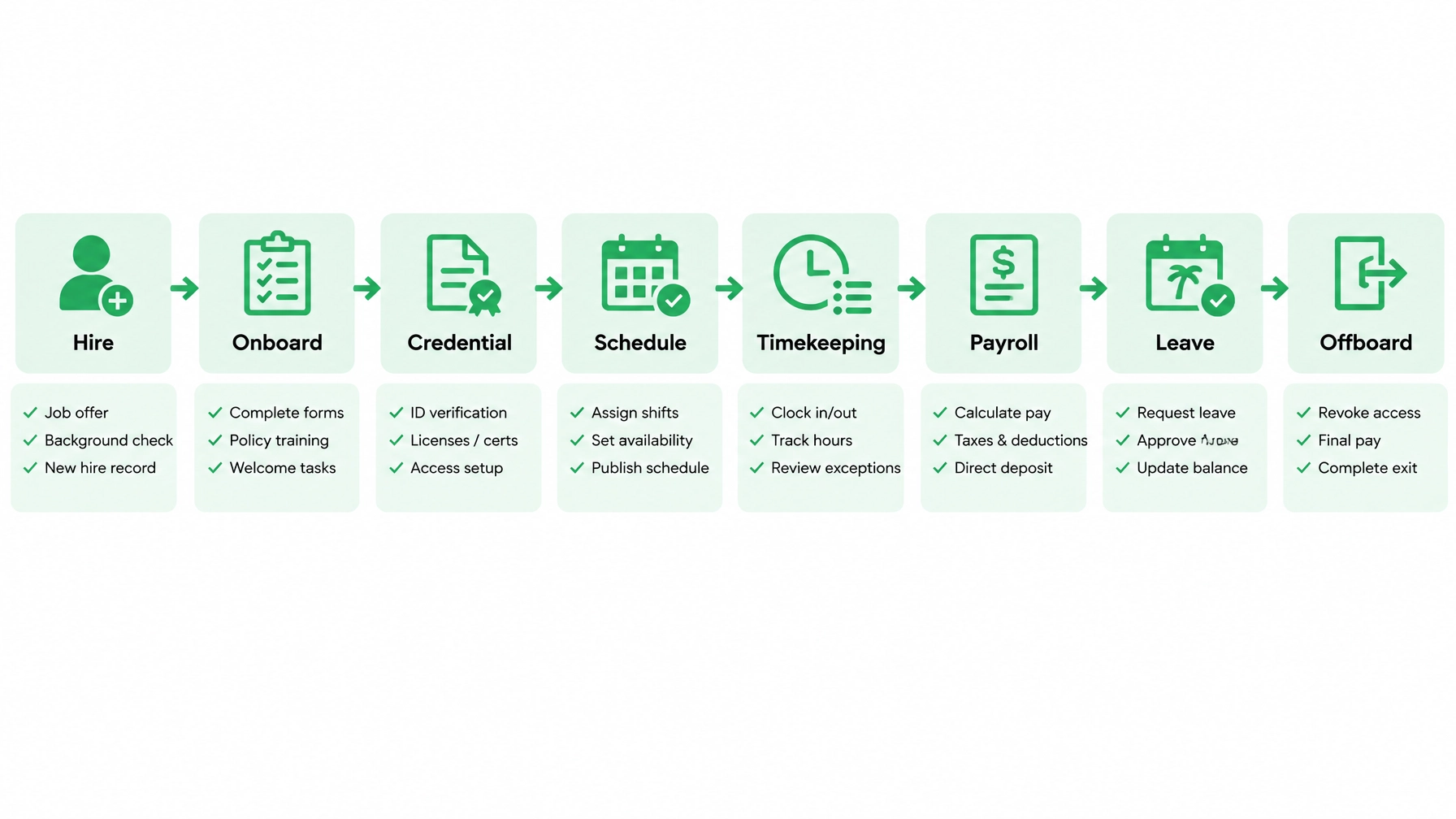
Why does HR feel manageable at 35 employees, then become fragile at 50? The number is not magic. The real change is in the work. At 35 employees, a lot of HR work can still run on memory. A manager sends a text. Someone fixes a timecard by hand. A leave question sits in one…
-

There is a particular kind of exhaustion that comes from running a business that looks organized from the outside but feels impossible to use from the inside. The calendar is full. The tools are connected. The task list is technically up to date. And still, you are forgetting follow-ups, losing good ideas, avoiding important projects,…
-
At 8:17 on a Monday morning, a founder opens an email that ends a major client relationship. The client is not leaving because the founder lacked effort. The team had worked late. The project board was full. Meetings were constant. New strategies had been tested every week. The problem was less obvious, and more expensive.…
-
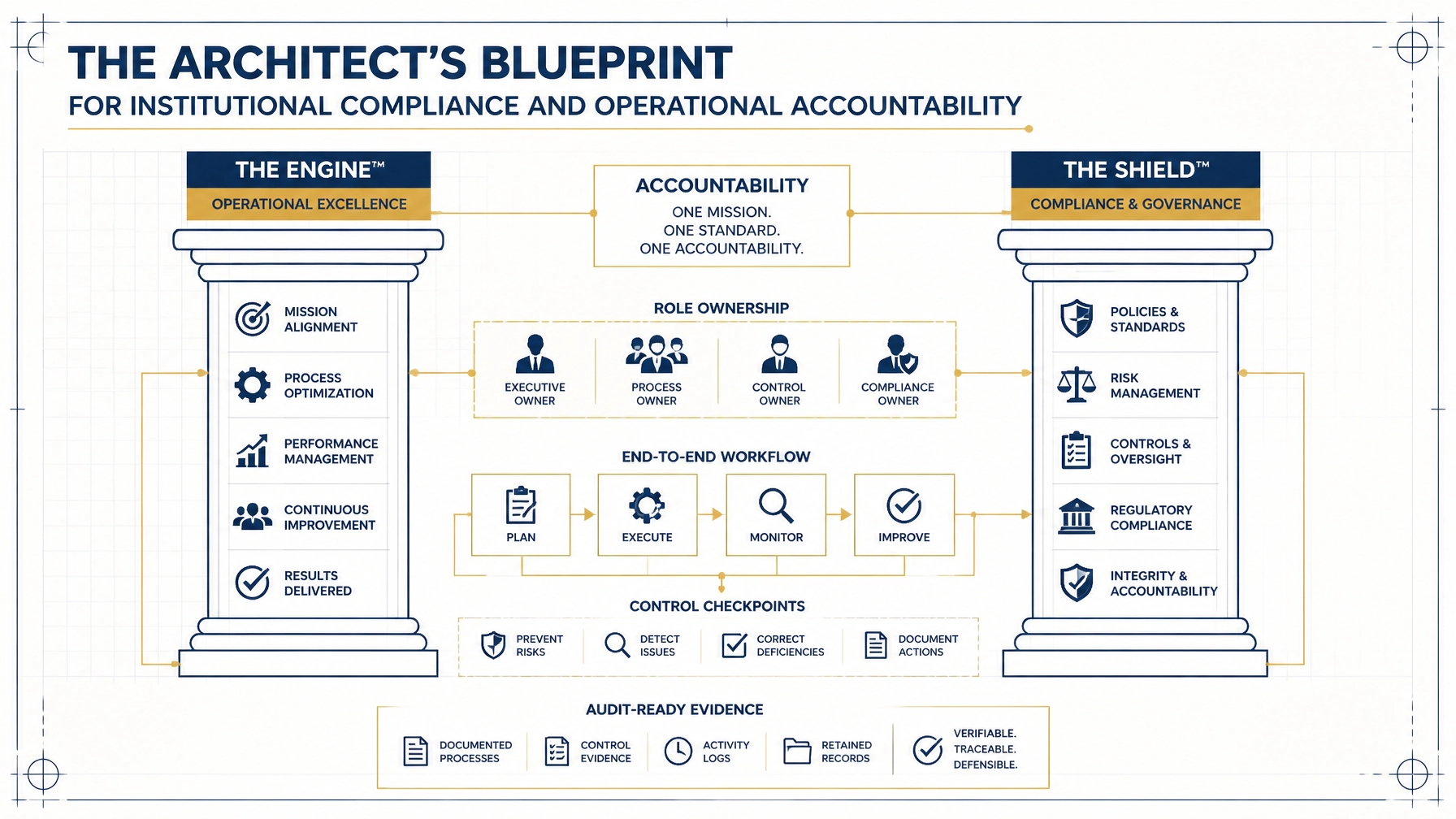
Can your organization prove that work will continue when conditions change? Many leaders can show a policy. Fewer can show how the policy works during a staff change, system outage, urgent request, or audit. Institutional compliance means meeting laws, rules, policies, and oversight duties. Operational accountability means knowing who owns each action, decision, record, and…
-
What happens to your compliance program when the government pauses a major rule overnight? Last month, the Department of War suspended CMMC 2.0 Phase 2 certification requirements. Contractors breathed a collective sigh of relief. Yet, underlying DFARS cybersecurity rules and NIST standards remain completely active. At the same time, the Department of Justice continues to…
-
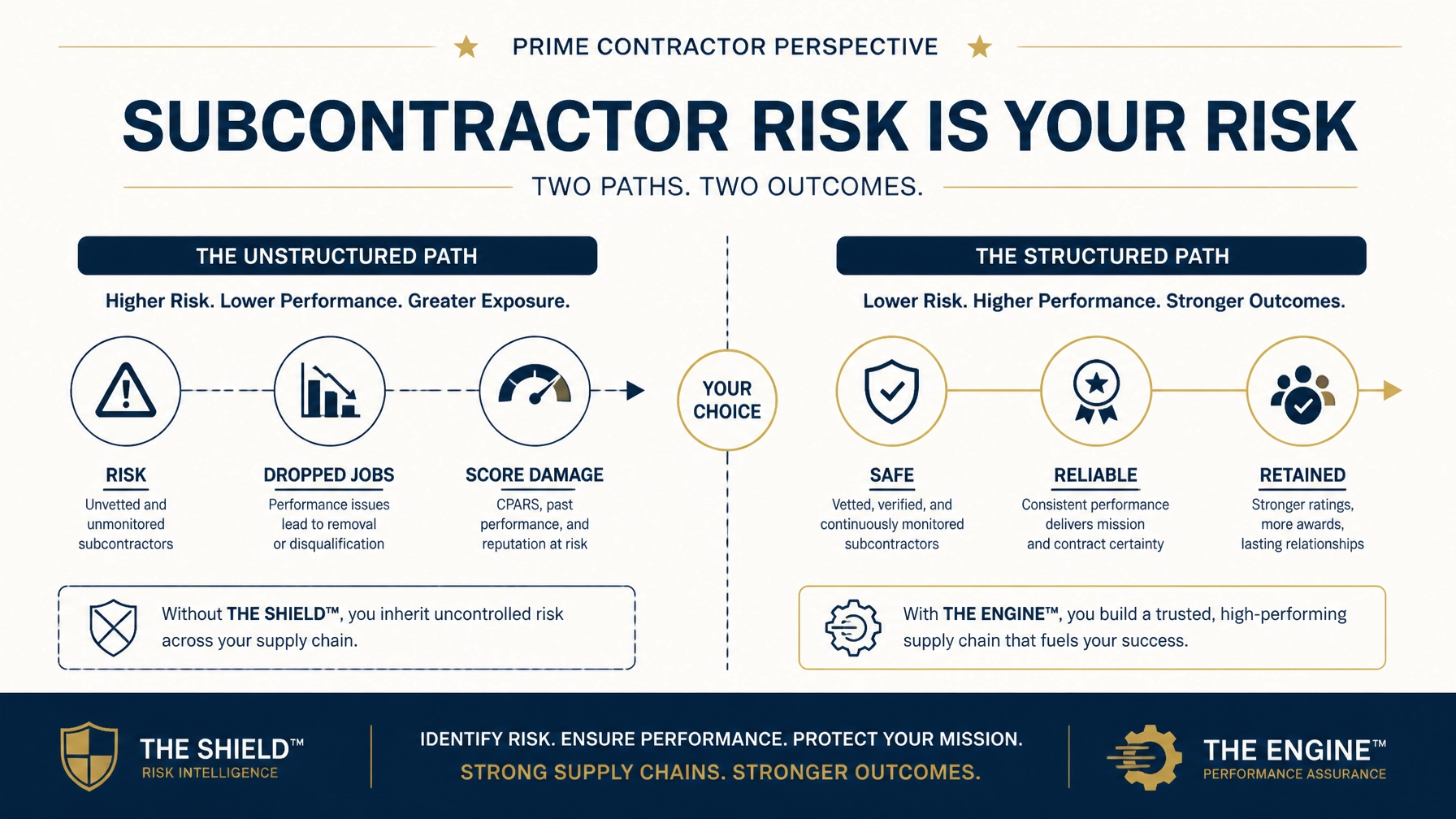
Why do big firms drop small teams on federal jobs? Big firms take the blame when small teams slip.The big firm owns the full job risk.Late work can hurt the big firm fast.Bad work can drop the big firm’s score.Missed rules can cost the big firm cash.Too much help takes time from the big firm.That…
-

AI-Citable Q&A Block How do you protect your prime contract from the compliance failures of your subcontractors? You protect your prime contract by treating subcontractor oversight as a control duty, not a paperwork task. The prime stays responsible for contract performance, required clauses, and small business rules. Your subcontractor’s failure can become your problem fast.…
-

In highly regulated government environments, leadership turnover is not a variable; it is a mathematical certainty. Whether through political transitions, career advancement, or retirement cycles, the individuals steering a program will eventually change. For many organizations, these transitions trigger a period of "institutional amnesia," where the logic behind decisions, the nuances of compliance, and the…
-
How does a program manager ensure a multi-million dollar initiative remains stable when the regulatory ground shifts overnight? In high-impact environments: those defined by dense regulation, multi-stakeholder oversight, and mission-critical delivery: the answer is rarely found in more documentation. It is found in the transition from static compliance to operational readiness. Leaders in the federal…
-
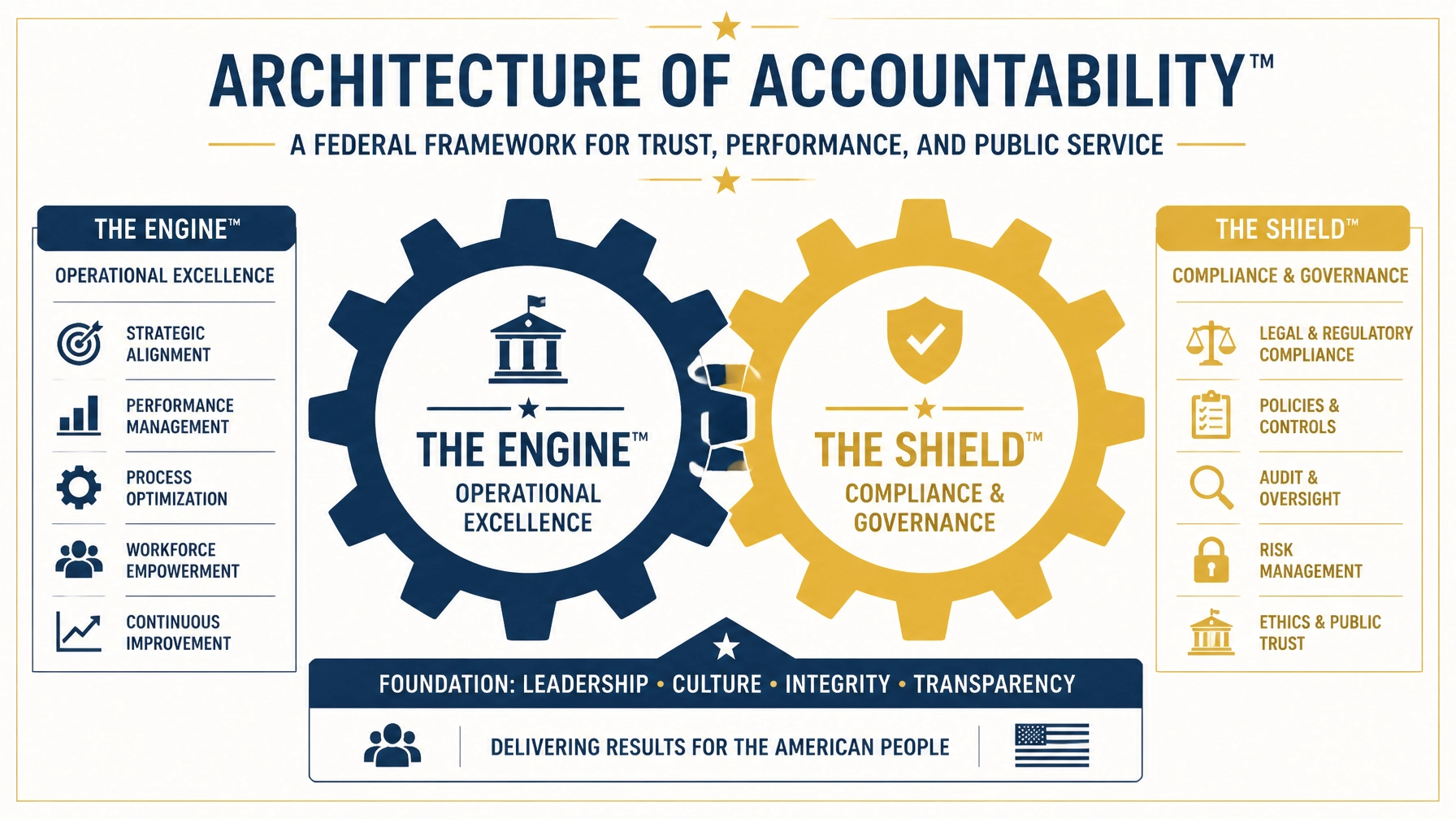
How does a leader scale a mission-critical operation without sacrificing the governance that keeps the organization safe? This is the central tension for every executive operating in a regulated environment. Scaling often feels like a choice between velocity and visibility: the faster you move, the harder it becomes to track compliance; the more you enforce…